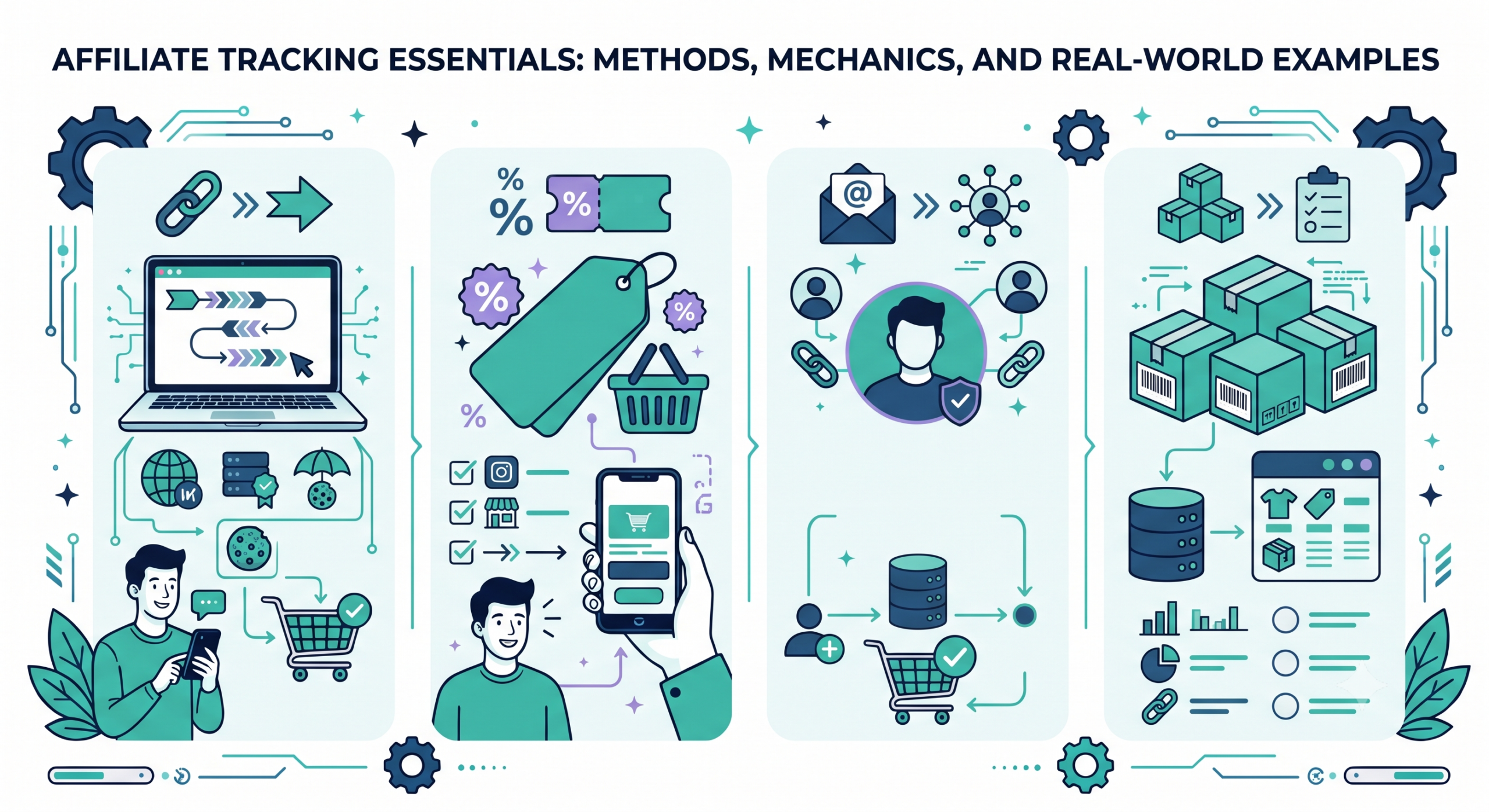
Affiliate Tracking is Critical
Tracking and measurement is the absolute backbone of any successful affiliate program. If you are researching affiliate tracking right now it’s probably because a potential partner told you “We can work together, but you have to sign up for a reliable affiliate tracking tool.” It’s true.
I’d take it a step further as well, having worked across paid, earned, search, social, messaging, affiliate, influencer and more, all marketing needs tracking.
It is especially critical when you are leveraging a channel like affiliate marketing that spans partners acting across the entire customer journey: from helping support product research and discovery to closing the deal with coupon codes.
Affiliates, influencers, and partners put in a lot of time and effort to drive qualified traffic to your store. They need to be able to trust the tracking to ensure they are compensated. That’s where your affiliate tracking tool and methods come in. It’s how you determine exactly which sales came from your affiliate network so you can properly credit your partners.
Tracking Methods
Depending on where your affiliates are promoting your store—be it a YouTube tutorial, an Instagram story, or a dedicated review blog—you’ll need to utilize different tracking methods as Influencer Marketing Hub notes in it’s affiliate tracking resource.
Why Use Different Tracking Methods
You’ve probably heard about the different options for tracking, but why might you be utilizing more than one? Well, it’s ultimately driven by what kind of content your affiliates and partners are creating and where that content will live.
For example, up till recently, Meta didn’t allow any links in Instagram Reels. That meant driving a user to a product for purchase meant using codes (and/or putting a brand’s affiliate link in their bio). Similarly, users reading a blog or top 10 listicle are hoping to click, so linking in the article makes the most sense.
Flexible is essential. So what options exist, what are their limits, and what are their strengths?
2 Core Tracking Methods
Here is a breakdown of the 2 core affiliate tracking methods, how they work, and how top e-commerce brands are actually using them.
Link-Based Tracking
Links are the standard mechanism for affiliate tracking. They rely on the customer clicking a specific URL to navigate to your store. When a user clicks the link, the affiliate tracking system records the event*, and a session is created to monitor the user’s journey.
*Sometimes these links funnel through a redirect in order to capture the event. These redirects are jarring for users, but can be effective for measurement. First-party tracking links, like we’ve built at Refersion, offer a seamless user experience (no redirect) and reliable tracking (no cookies).
Referral Links (The Standard):
This is the most common tracking method. A referral link contains your store’s domain along with affiliate-specific tracking parameters appended to the end. Affiliates can easily drop these into blog posts, website pages, social media profiles, and reviews.

Simply Earth, a popular essential oils brand, relies heavily on standard referral links for their ambassador program. If you browse DIY skincare blogs, you’ll see affiliates using links like [simplyearth.com/products/diy-bath-salt-kit?rfsn=8634127](https://simplyearth.com/products/diy-bath-salt-kit?rfsn=8634127)... — that ?rfsn= at the end is the exact parameter the tracking platform uses to instantly credit that specific blogger when a reader buys the bath salt kit.
Deep Links (Page-Specific):
Sending a customer to a generic homepage isn’t always the best strategy for conversions. Deep links allow your affiliates to point a referral link directly to a specific product or landing page. Affiliates can easily generate these highly targeted links right from their dashboard by adding a specific page path to their standard URL.

Haircare brand Verb Products leverages deep linking brilliantly with their YouTube creators. Instead of sending viewers to the Verb homepage, a creator doing a “Summer Hairstyles” tutorial will generate a custom short-link (like verb.best/creator-name) that drops the viewer directly onto the product page for the specific Moringa + Jojoba Treatment Oil used in the video. This removes friction and drastically increases the conversion rate.
“Clickless” Tracking (Promotion Methods)
Not all affiliate promotions involve an actual click. For certain platforms (like Instagram, TikTok, or podcasts) or physical print collateral, you need tracking methods that attribute sales without relying on URL parameters.
Coupon Codes
Affiliates share a unique promo code with their audience. Crucial setup tip: Promo codes must be officially designated as a tracking method within your affiliate platform. If you simply create a code manually in your e-commerce backend (like Shopify) without linking it to the affiliate’s account, those conversions will not be tracked or credited to them. You should also define usage limits or expiration dates for these codes to prevent over-attribution and ensure fair usage.

Real-World Example: Fuego, a wildly popular dance sneaker brand, dominates “clickless” tracking by issuing highly memorable custom promo codes. Rather than relying solely on links, they partner with major dance festivals (like the New York SBKZ Congress) and niche dance bloggers who share custom codes like NYSBKZ or JETTE10. If a dancer sees that code on an Instagram Reel or a physical flyer at an event and types it in at checkout, the affiliate gets credited—no click required.
Customer Emails
Tracking can be tied directly to a specific customer’s email address when they check out. If an affiliate physically signs someone up or a customer is tied to an affiliate’s network, any purchase made under that email will automatically trigger a commission. This can be particularly useful for payments related to subscriptions or return visits.
SKUs
Have you partnered with an affiliate on a dedicated collaboration for a particular SKU? You can link specific product SKUs to an affiliate, ensuring they receive credit whenever that specific item is purchased, regardless of how the customer arrived at the store.
Affiliate Tracking Methods Mastered
By mastering both link-based and clickless tracking methods—and giving your ambassadors the exact tools they need for their specific platforms—you can build an accurate, reliable program that properly rewards your affiliates for every conversion they drive.
Expect to mix and match these different tracking methods as your program matures.